
New House Contractors Expert Guide to Building Your Dream Home Efficiently
Building a new home is one of the most significant investments a person can make. Selecting the right new house contractors is essential to ensure that the construction is completed on time, within budget, and meets quality standards. This guide provides comprehensive insights into what new house contractors do, the benefits of hiring them, real-world examples, and practical considerations for homeowners.
Understanding the Role of New House Contractors
New house contractors are professional builders who manage the entire home construction process. Their responsibilities go beyond simply building; they oversee every aspect of the project from planning to completion.
-
Design Consultation: Contractors work with architects and homeowners to create customized home designs. This includes selecting layouts, materials, and finishes that match the client’s preferences and lifestyle.
-
Project Management: They coordinate schedules, manage subcontractors, and ensure that resources are used efficiently. This prevents delays and keeps the construction timeline on track.
-
Construction Oversight: Contractors supervise all aspects of construction, including foundation, framing, plumbing, electrical, roofing, and interior finishing.
-
Quality Assurance: They conduct inspections to ensure all work complies with building codes and meets industry standards.
Choosing experienced contractors helps homeowners avoid costly mistakes, ensures quality workmanship, and allows the process to be more stress-free.
Key Considerations When Hiring New House Contractors
Hiring the right contractor is crucial to a successful construction project. Here are some important factors to consider:
-
Licensing and Insurance: Always verify that the contractor is licensed and insured. This protects homeowners from potential liabilities during the construction process.
-
Experience and Portfolio: Review past projects to ensure the contractor has experience building homes similar in style and scale to your planned project.
-
References and Reviews: Speak to past clients or check online reviews to understand the contractor’s reliability, professionalism, and quality of work.
-
Transparent Contracts: A clear contract should outline the project scope, materials, timeline, cost breakdown, and warranty information.
Thoroughly vetting contractors reduces risks of project delays, budget overruns, and substandard construction.
Services Offered by New House Contractors
New house contractors provide a wide array of services designed to support homeowners throughout the building process. These include:
-
Custom Home Construction: Contractors build homes from scratch, tailored to the client’s specifications, including floor plans, materials, and interior finishes.
-
Remodeling and Renovation: Updating or expanding existing structures to improve functionality or aesthetics.
-
Site Evaluation and Preparation: Assessing the land for suitability, preparing foundations, and addressing environmental or structural challenges.
-
Sustainable Construction Solutions: Incorporating energy-efficient systems, eco-friendly materials, and smart home technology to enhance home performance.
These services make new house contractors essential for anyone looking to build a home efficiently, safely, and according to their vision.
Benefits of Hiring Professional New House Contractors
Engaging a professional contractor offers several advantages:
-
Expertise and Technical Knowledge: Skilled contractors understand construction codes, techniques, and materials, ensuring high-quality results.
-
Time and Cost Efficiency: Experienced contractors streamline processes, manage labor, and source materials efficiently, saving both time and money.
-
Access to Trusted Suppliers and Subcontractors: Established contractors have long-term relationships with suppliers and skilled tradespeople, guaranteeing reliability and quality.
-
Risk Management and Compliance: Contractors handle permits, inspections, and safety protocols, reducing legal or safety issues during construction.
The expertise and resources provided by contractors make the construction process smoother and more predictable.
Real-World Examples of Successful Projects
Example 1: Modern Family Home

A homeowner commissioned a new house contractor to build a modern family home. The contractor coordinated with an architect, selected high-quality materials, and supervised construction. The result was a functional, elegant home that maximized space and natural light.
Example 2: Eco-Friendly Custom House

A couple wanted a home with sustainable features. The contractor integrated solar panels, energy-efficient appliances, and recycled materials. The project improved environmental performance and reduced utility costs while maintaining aesthetic appeal.
Example 3: Budget-Conscious Home Construction

A client needed a home built within a strict budget. The contractor proposed cost-effective materials and optimized the construction timeline. This approach allowed the client to achieve a high-quality home without exceeding financial limits.
Example 4: Multi-Generational Home

A large family required a home with separate living areas for multiple generations. The contractor designed and built distinct zones, ensuring privacy, functionality, and shared communal spaces.
Example 5: Luxury Custom Home
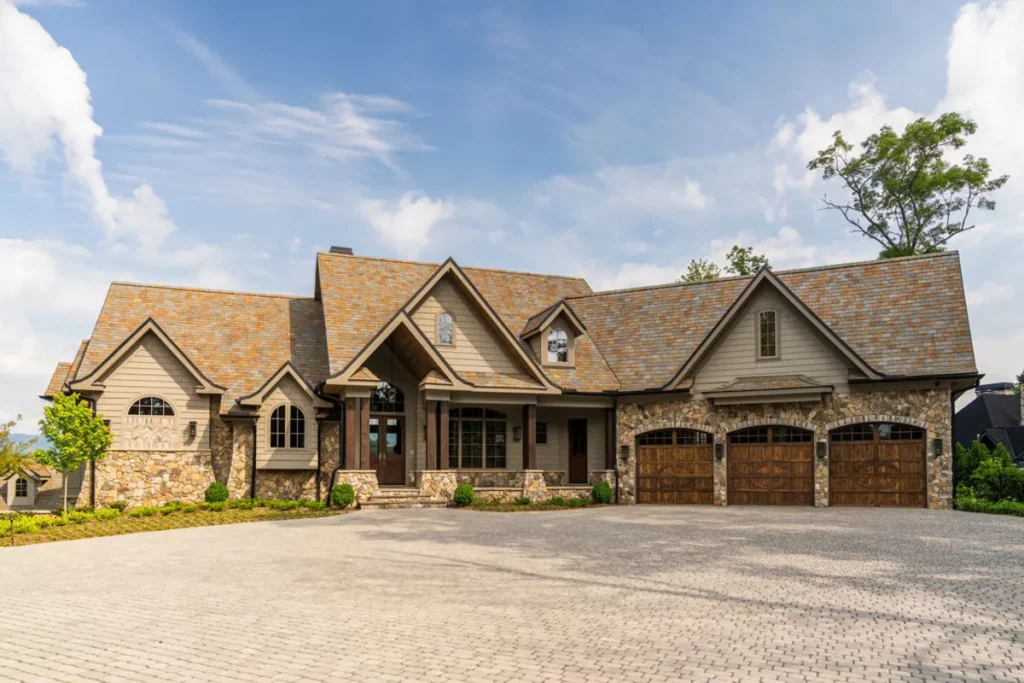
A client sought a luxury home with high-end finishes and smart home technology. The contractor managed design, sourcing premium materials, and installing advanced home automation systems. The result was a modern, technologically advanced residence tailored to the client’s lifestyle.
These examples show how professional contractors adapt to diverse requirements, ensuring the home meets client expectations.
Common Challenges in New Home Construction
Construction projects often face obstacles that skilled contractors can navigate effectively:
-
Site Limitations: Sloped terrain, soil quality, or environmental restrictions can complicate construction. Contractors evaluate these challenges early to design effective solutions.
-
Material Delays: Global supply chain issues can impact delivery times. Experienced contractors mitigate delays by sourcing alternatives or scheduling materials strategically.
-
Budget Overruns: Unexpected issues can increase costs. Transparent cost tracking, regular updates, and contingency planning help maintain budget control.
-
Design Changes: Homeowners sometimes modify plans mid-project. Contractors manage adjustments without compromising quality or timeline.
Understanding potential challenges and how contractors address them ensures projects run smoothly.
Tips for a Successful Collaboration
For a positive construction experience:
-
Establish Clear Communication: Regularly discuss expectations, progress, and changes with your contractor.
-
Request Detailed Updates: Frequent updates help monitor progress and detect issues early.
-
Flexibility: Minor delays or modifications may occur; a cooperative attitude is beneficial.
-
Final Walkthrough: Conduct a thorough inspection to ensure all work aligns with your vision and contract.
Collaboration and open communication are key to a satisfying construction project.
Frequently Asked Questions (FAQs)
1. How do I choose the right new house contractor?
Evaluate licensing, insurance, experience, portfolio, references, and contract transparency. Visiting past projects or client reviews also provides valuable insight.
2. What is included in a contractor’s services?
Services may include custom home building, remodeling, site preparation, project management, sustainable solutions, and quality inspections.
3. How can I manage costs effectively during construction?
Set a clear budget, request detailed estimates, maintain communication with the contractor, and plan for contingencies to avoid overspending.