House Construction Contractors Complete Guide to Building Your Dream Home
House construction contractors play an essential role in turning a vision of a new home into a reality. They coordinate the design, materials, labor, and technology required to build homes that meet both functional and aesthetic needs. Whether you’re building your first home or managing a large residential project, contractors bridge the gap between your ideas and a finished house.
In today’s housing industry, construction contractors are more than just builders they are planners, managers, and problem-solvers who handle complex logistics. They ensure quality, keep projects within budget, and meet timelines, which is why choosing the right contractor is a crucial decision.
What Does a House Construction Contractor Do?
A house construction contractor oversees the entire building process, from start to finish. This includes site preparation, foundation work, framing, plumbing, electrical installation, roofing, and interior finishing.
Contractors are also responsible for compliance with local building codes and safety regulations. They manage subcontractors, suppliers, and inspectors to ensure every stage of the project is properly executed. Their role is vital in minimizing risks and ensuring the final home is safe, durable, and energy-efficient.
The Importance of House Construction Contractors in Modern Home Building
House construction is a multi-step process that involves numerous moving parts. Without contractors, homeowners would have to manage electricians, plumbers, roofers, and carpenters individually, which could quickly become overwhelming.
Contractors streamline this process by acting as the single point of contact. They schedule workers, order materials, and troubleshoot problems. By coordinating all aspects of the build, contractors save time, reduce stress, and deliver a higher-quality finished product.
Benefits of Using Technology in House Construction
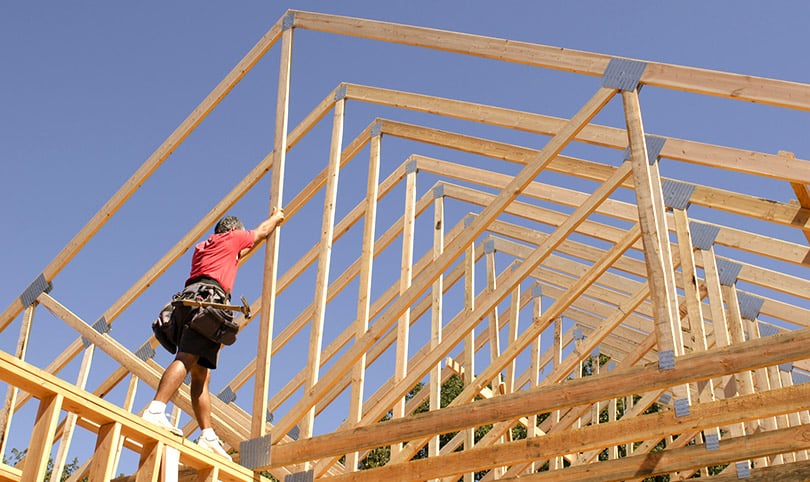
Technology has transformed the role of house construction contractors. From 3D modeling to project management software, these tools allow contractors to enhance efficiency, accuracy, and customer satisfaction.
For example, Building Information Modeling (BIM) enables contractors to create digital blueprints that predict structural performance. Drones are used for site surveys and progress monitoring, while mobile apps improve communication between contractors and clients. These technologies reduce costly errors, improve safety, and keep projects on track.
Real-World Examples of House Construction Contractors in Action
Example 1: GreenTech Homes Contractor
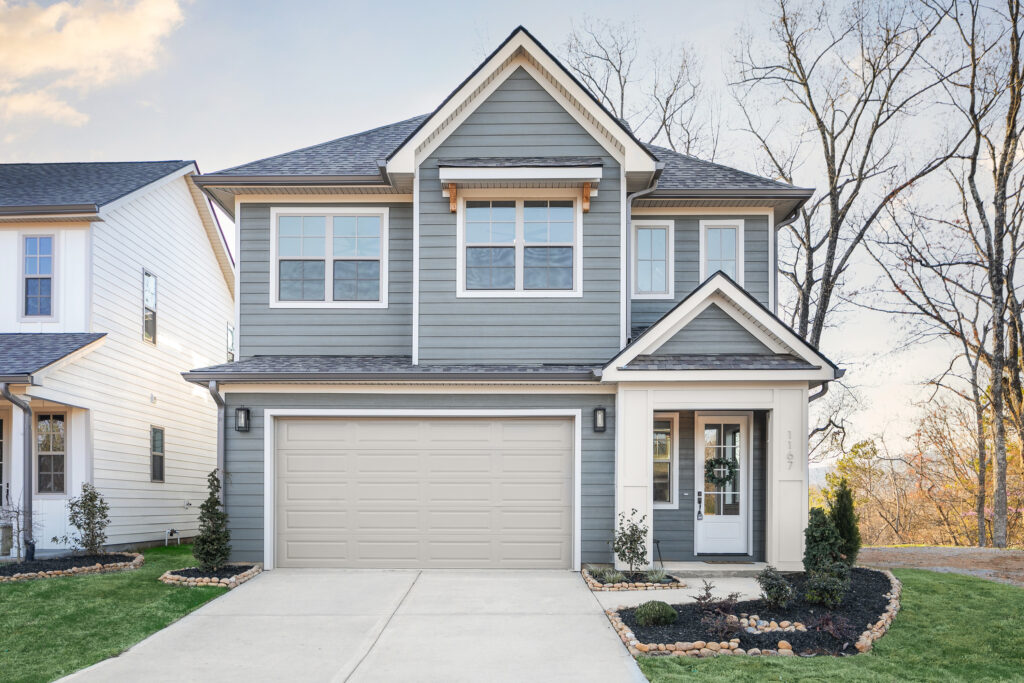
GreenTech Homes is a construction company specializing in sustainable houses. They use eco-friendly materials and integrate renewable energy systems into their builds. Their focus on green technology reduces long-term energy costs for homeowners while minimizing environmental impact.
This contractor is an excellent example of how modern house construction is evolving. By combining traditional building practices with advanced sustainability methods, they show how contractors can meet today’s growing demand for energy-efficient living.
Example 2: MetroBuild Residential Contractors
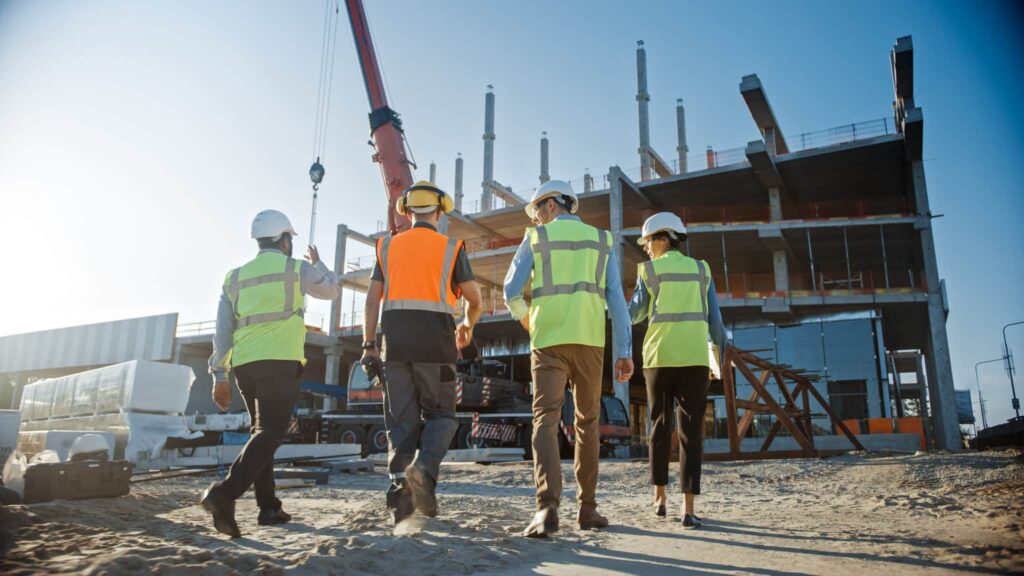
MetroBuild specializes in urban housing projects, including townhouses and duplexes. Their expertise lies in managing large-scale construction in busy city environments, where space and logistics can be challenging.
They leverage digital project management tools to coordinate dozens of subcontractors simultaneously. Their efficiency ensures that projects are delivered on time without sacrificing quality, making them a trusted choice for city-based homeowners.
Example 3: Family First Builders
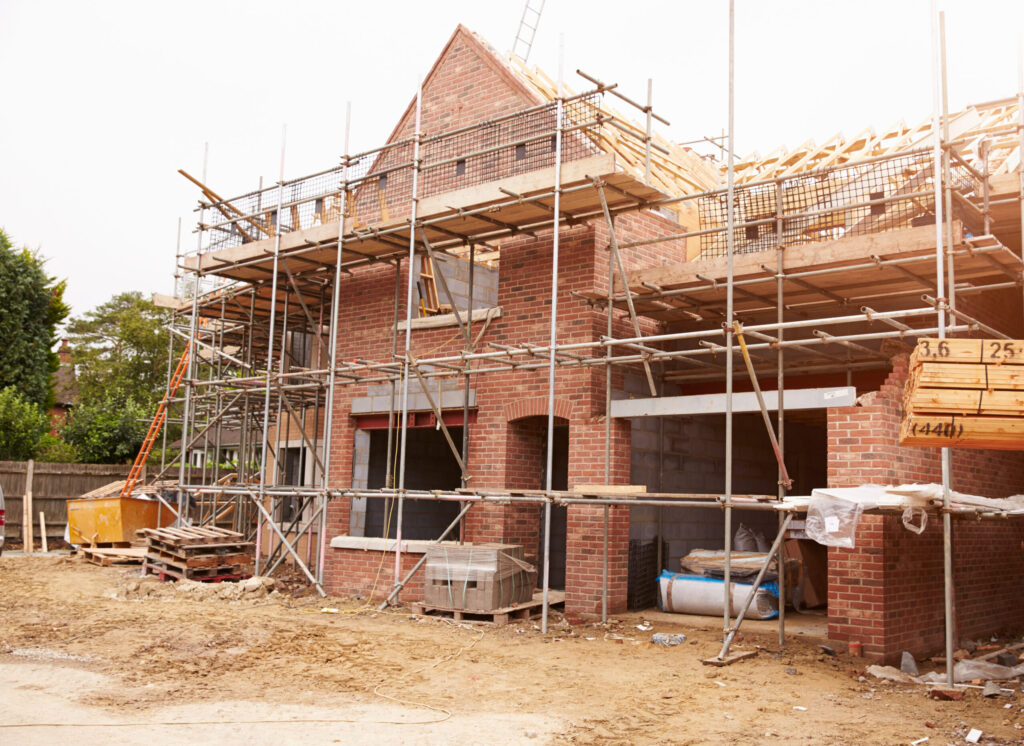
Family First Builders focuses on custom home construction for families. They prioritize open layouts, energy-efficient systems, and child-friendly designs. Their contractors work closely with clients from planning to move-in, ensuring the final product matches the homeowner’s lifestyle and needs.
This contractor highlights the importance of communication and personalization in house construction. Their tailored approach proves that contractors are not just builders but also partners in creating homes that reflect their clients’ identities.
Practical Benefits of Hiring a House Construction Contractor
Hiring a contractor saves homeowners from the stress of managing multiple trades. Contractors bring experience, connections with suppliers, and access to skilled subcontractors.
They also help with budgeting by providing accurate cost estimates and controlling expenses during construction. Their ability to anticipate problems and resolve them quickly prevents delays and cost overruns, which are common in DIY or poorly managed projects.
Use Cases of House Construction Contractors in Real Life
Use Case 1: First-Time Homeowner Building a Custom House
A first-time homeowner may feel overwhelmed by the complexity of building a house. Contractors step in to simplify the process by guiding the client through design decisions, securing permits, and scheduling construction phases. Their expertise reduces the risk of mistakes that could otherwise delay the project.
Use Case 2: Renovation of an Aging Property
When renovating an old property, structural challenges often arise. Contractors assess the condition of the house, recommend cost-effective solutions, and ensure renovations meet modern safety standards. They balance preserving the charm of the old home while upgrading it to today’s lifestyle.
Use Case 3: Large-Scale Residential Projects
For developers working on multiple housing units, contractors are indispensable. They manage labor teams, coordinate deliveries, and enforce deadlines. Their ability to oversee large-scale builds ensures that dozens of homes can be constructed simultaneously without compromising quality.
Why House Construction Contractors Are Essential Today
As housing demand grows, so does the complexity of construction projects. Contractors are no longer optional; they are essential professionals who ensure homes are safe, sustainable, and suited to modern living.
By blending traditional craftsmanship with cutting-edge technology, contractors are shaping the future of residential construction. Their role as managers, innovators, and problem-solvers makes them central to the success of any housing project.
Frequently Asked Questions
1. What is the difference between a house construction contractor and a builder?
A contractor oversees the entire project, coordinating subcontractors and managing logistics. A builder, on the other hand, may focus solely on the physical construction work. Contractors act as project managers, while builders are part of the labor team.
2. How do contractors ensure houses meet building codes?
Contractors work closely with local inspectors and are responsible for adhering to all regulations. They manage permits, schedule inspections, and make sure all work complies with safety and zoning laws.
3. Are contractors necessary for small home projects?
Even small projects benefit from contractors, as they bring expertise in managing timelines, sourcing quality materials, and coordinating labor. For major projects like new homes or full renovations, contractors are essential for success.