General Contractor House Building Complete Guide for Homeowners
Building a house is one of the biggest investments in life, and it requires more than just bricks and wood; it needs expertise, planning, and precise execution. This is where the general contractor’s house building comes in. A general contractor is the professional who manages and oversees the entire home construction process, ensuring everything goes smoothly from blueprint to final inspection.
In this article, we’ll explore in-depth what general contractors do in-house building, the benefits of hiring them, real-world examples, use cases, and how technology is reshaping their role.
What Is a General Contractor House Building?
A general contractor (GC) in-house building is a licensed professional responsible for coordinating all aspects of residential construction. Their role spans from acquiring permits and sourcing materials to managing subcontractors like electricians, plumbers, and roofers.
Unlike individual tradesmen, a general contractor acts as the central point of contact, ensuring that every detail of the construction process aligns with the homeowner’s vision and meets building regulations.
Why General Contractors Are Essential in Home Building
Expertise and Oversight
General contractors bring knowledge and leadership. They ensure that every part of the project follows the design plans, safety codes, and budget requirements. Without a GC, homeowners may struggle with miscommunication and delays.
Financial and Legal Security
They also handle contracts, insurance, and warranties. This protects homeowners from liabilities and ensures that the project complies with all local regulations.
Key Responsibilities of General Contractors
Project Management
General contractors develop timelines, schedule inspections, and oversee daily construction activities. They ensure tasks are completed in order and troubleshoot any issues that may arise.
Workforce Coordination
A GC manages subcontractors to ensure smooth collaboration. They oversee specialized workers, plumbers, carpenters, masons, and electricians to avoid overlap and ensure quality standards.
Real-World Examples of General Contractor House Building
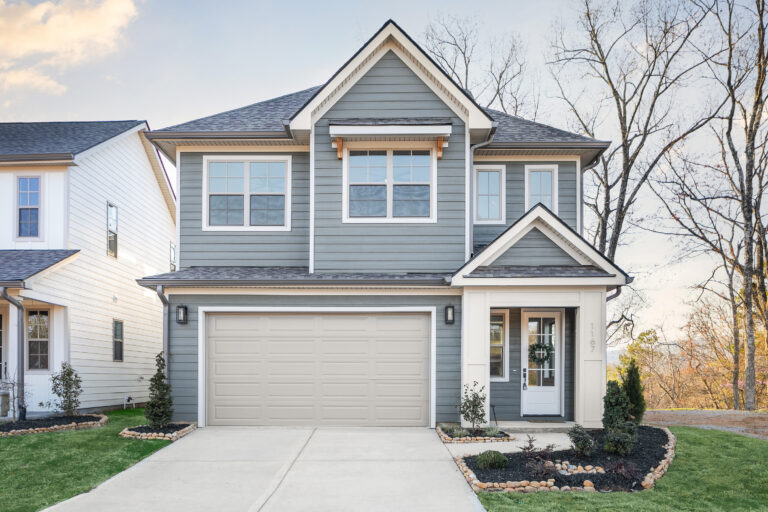
Example 1: Modern Suburban Home Construction
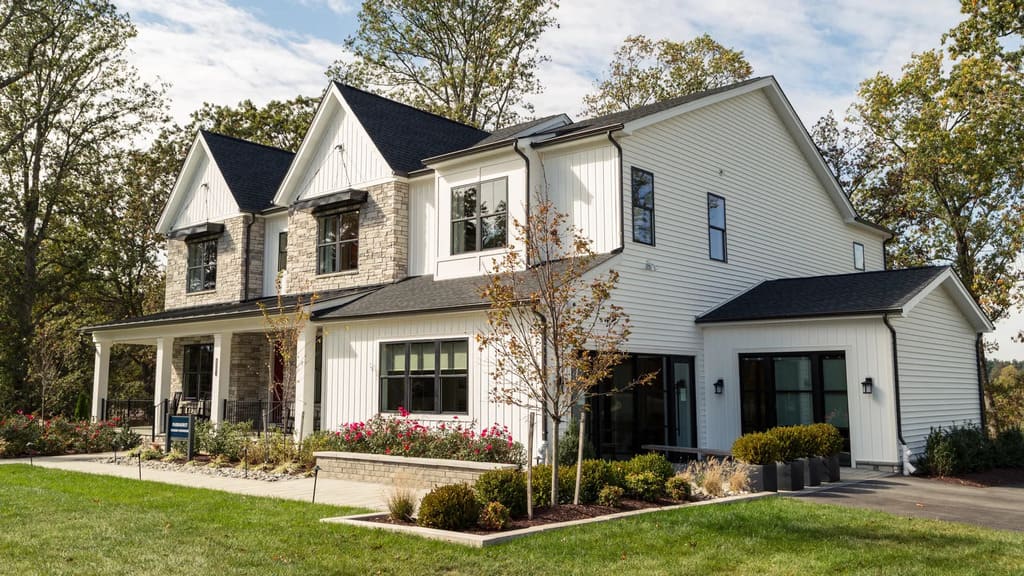
In suburban developments, general contractors often manage large-scale projects where multiple homes are built simultaneously. They coordinate mass purchasing of materials and manage teams efficiently to deliver cost-effective housing.
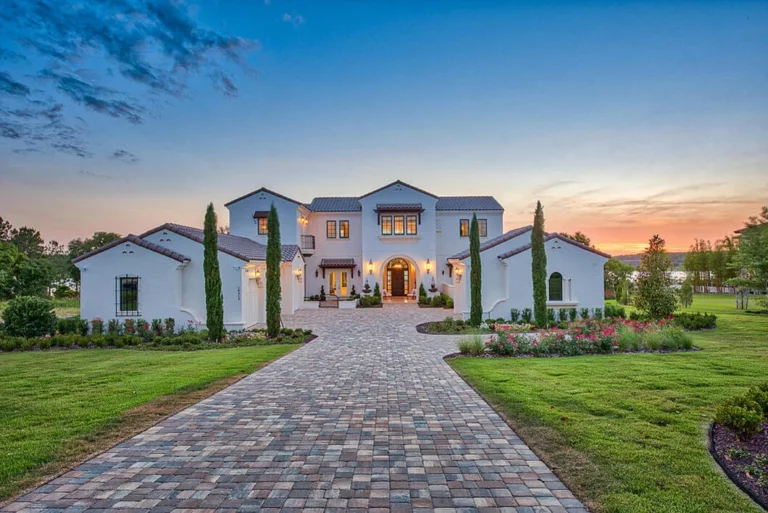
Example 2: Luxury Custom Villas

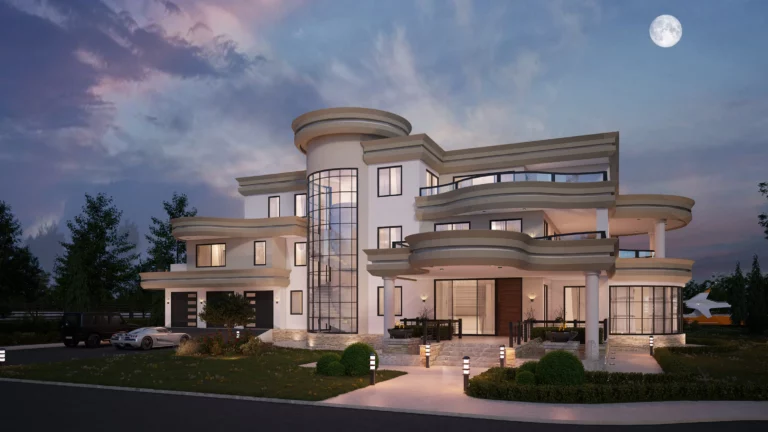
In high-end markets, contractors handle custom villa construction. They integrate smart systems like automated lighting and climate control, ensuring a balance between luxury aesthetics and functional reliability.
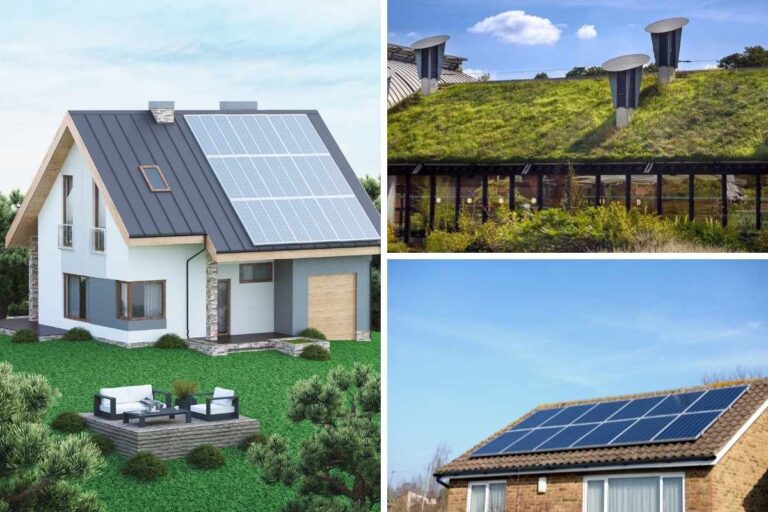
Example 3: Eco-Friendly Sustainable Homes

Many general contractors now focus on green building. They use materials like bamboo, recycled steel, and solar panels to create energy-efficient houses. Their role is crucial in combining sustainability with structural strength.
Example 4: Disaster-Resistant Housing
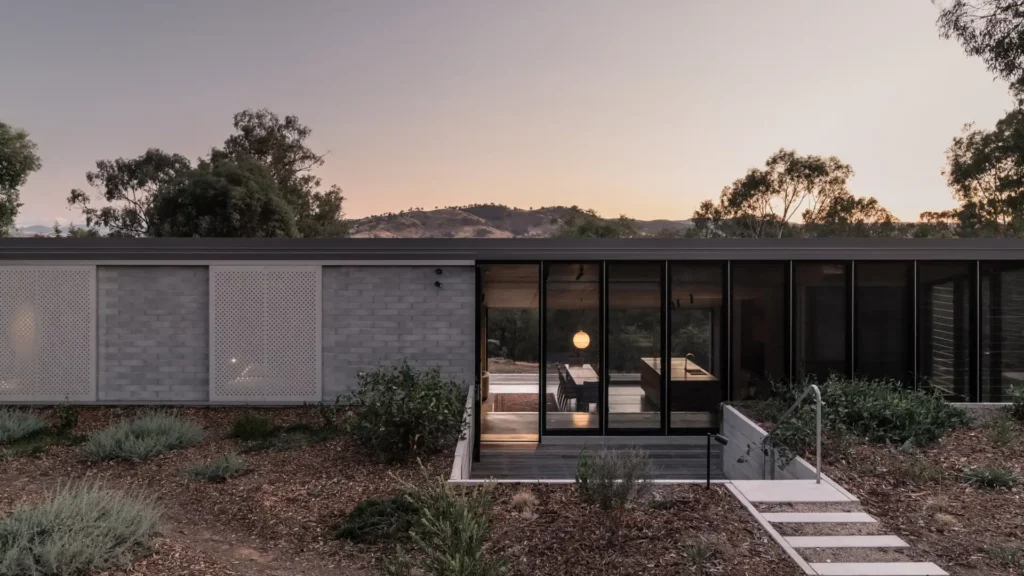
In regions prone to hurricanes or earthquakes, contractors build homes with reinforced structures, advanced drainage systems, and impact-resistant materials. Their expertise provides both shelter and long-term safety.
Benefits of Hiring a General Contractor for House Building
Quality and Compliance
General contractors ensure homes meet strict building codes. They also guarantee that construction is done correctly, reducing the risk of structural issues later.
Cost and Time Savings
By managing resources and schedules, contractors help avoid delays and costly mistakes. Their established networks with suppliers also ensure better prices on materials.
Stress-Free Experience for Homeowners
Instead of juggling multiple subcontractors, homeowners work with one point of contact. This reduces confusion and ensures accountability throughout the project.
The Role of Technology in General Contractor House Building
Digital Project Management
Contractors now use software to monitor timelines, budgets, and worker assignments. This creates transparency and allows homeowners to stay updated in real time.
Advanced Construction Techniques
Insert image of the product.t
Innovations like modular construction, 3D printing, and prefabricated materials are becoming common. General contractors leverage these technologies to reduce waste, increase speed, and improve energy efficiency.
Practical Use Cases
Solving Design-to-Reality Gaps
Homeowners often find that their dream design doesn’t match real-world conditions. Contractors adjust plans to meet structural needs while keeping the design intent intact.
Handling Legal and Safety Requirements
From permits to inspections, contractors make sure everything is legally sound. This prevents costly penalties or delays due to non-compliance.
Ensuring Long-Term Value
General contractors not only build but also help future-proof homes with durable materials and modern systems that increase property value over time.
Conclusion
General contractor house building is more than supervision—it’s about transforming visions into reality with precision, safety, and efficiency. Whether you’re building a modest family home or a luxury villa, having the right contractor ensures your investment is secure and your home is built to last.
Frequently Asked Questions
1. What’s the main difference between a general contractor and a builder?
A builder may focus only on construction, while a general contractor manages the entire project, including permits, budgets, subcontractors, and inspections.
2. Do general contractors provide warranties for their work?
Yes, most general contractors provide warranties on workmanship and materials, ensuring protection against potential issues after completion.
3. How does technology improve the work of general contractors?
Technology enhances project tracking, reduces errors, and enables the use of energy-efficient and innovative building techniques that benefit homeowners in the long run.