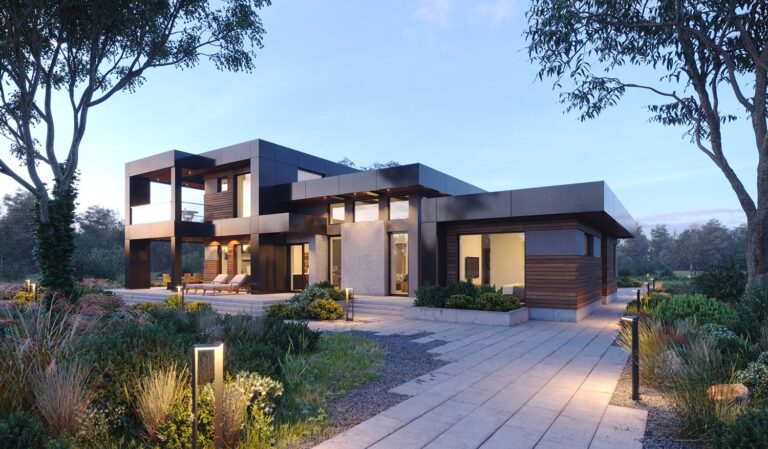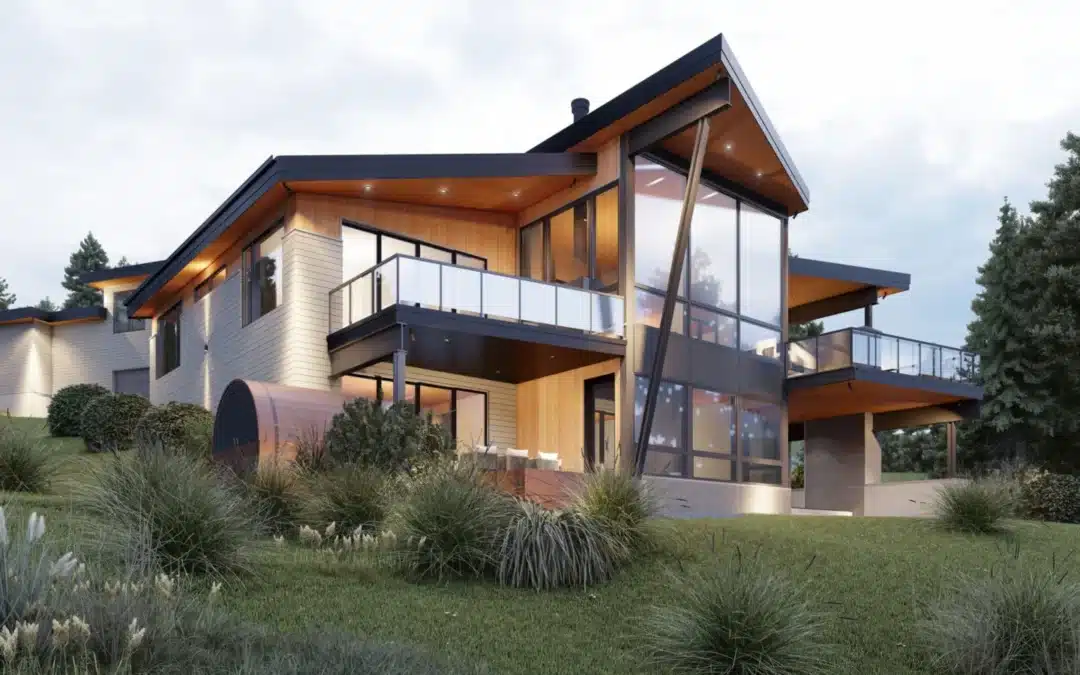
Contractor for House Construction A Complete Guide to Building Homes
A contractor for house construction is a professional or company responsible for managing and executing the entire process of building a home. Their role goes far beyond simply supervising workers. Contractors coordinate with architects, engineers, material suppliers, and clients to ensure every stage of construction runs smoothly.
They are often considered the backbone of the construction process because they bring together skilled labor, reliable project planning, and compliance with legal standards. From breaking ground to final finishing touches, a contractor ensures that the dream of owning a house turns into reality.
Why a Contractor is Essential in House Construction
Choosing a qualified contractor is one of the most critical decisions in home building. A contractor not only ensures that the work is completed on time but also guarantees quality. Without one, homeowners risk delays, cost overruns, and even structural issues.
Contractors also carry the responsibility for safety. They make sure that workers adhere to safety standards, materials are handled correctly, and that the house is built to withstand long-term use. Their expertise reduces risks and provides homeowners with peace of mind.
Responsibilities of a House Construction Contractor
Project Planning and Scheduling
A contractor develops a comprehensive plan that outlines timelines, resource allocation, and milestones. This ensures that each stage of the building, from foundation to roofing, is completed without unnecessary delays.
Planning also includes anticipating potential challenges like weather interruptions or material shortages. By preparing ahead, contractors keep the project on track.
Managing Labor and Materials
Another core responsibility is hiring skilled labor and securing high-quality materials. Contractors source from trusted suppliers and manage inventory efficiently. This prevents material wastage and ensures workers always have what they need.
Efficient labor management ensures that each team, whether carpenters, electricians, or plumbers, works cohesively. The contractor coordinates tasks so no stage is rushed or delayed.
The Role of Technology in Modern House Construction
Digital Project Management
With advancements in technology, contractors now use digital tools to monitor progress, manage schedules, and communicate with clients. Software platforms provide real-time updates, helping both contractors and homeowners stay informed.
This reduces misunderstandings and keeps the project transparent. Technology ensures that even complex projects are easier to manage, leading to higher efficiency and accountability.
Smart Construction Equipment
Contractors also employ modern equipment such as laser measuring devices, drones for site surveys, and 3D modeling software. These tools improve precision, reduce errors, and cut down unnecessary costs.
By embracing technology, contractors deliver homes that meet modern standards of safety, sustainability, and energy efficiency.
Real-World Examples of Contractors for House Construction
Example 1: Local Residential Contractor
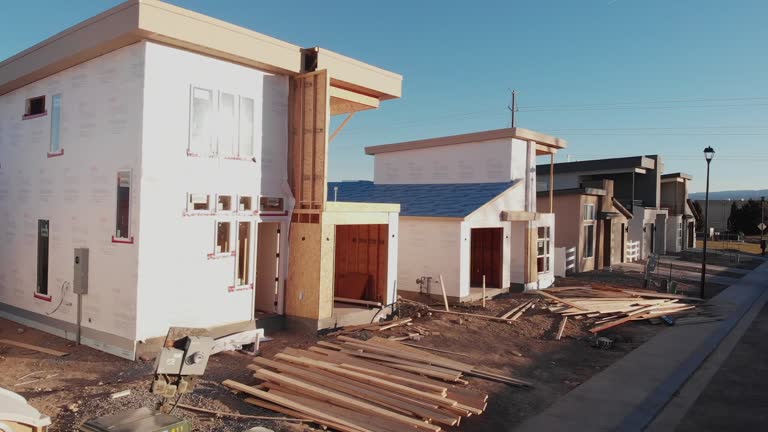
Local contractors typically handle small to mid-sized projects such as single-family homes. They understand regional building codes, climate conditions, and local material suppliers. Their expertise ensures that homes are designed and built to suit specific community needs.
They often provide personalized attention, working closely with homeowners to bring their vision to life. Their smaller scale makes them highly flexible and adaptable.
Example 2: Large-Scale Construction Firms
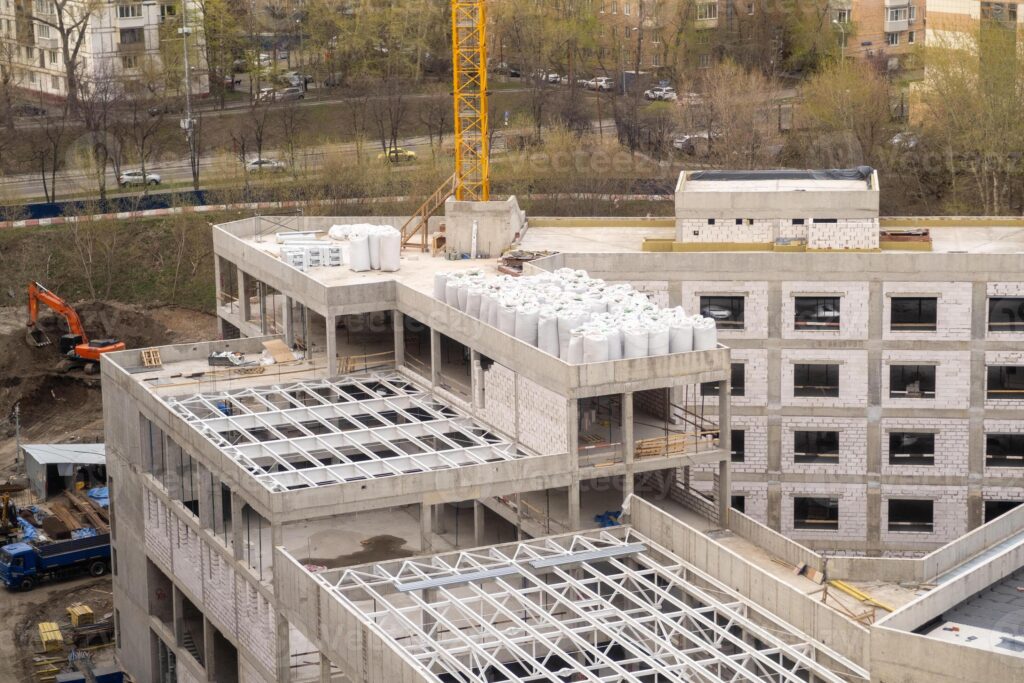
Big firms manage larger projects, including luxury homes and multi-unit buildings. They often employ advanced technology, have access to large teams of specialists, and handle multiple projects at once.
These firms bring efficiency, professional project management, and cutting-edge techniques. They are ideal for clients looking for more complex and large-scale home construction.
Example 3: Sustainable and Green Builders
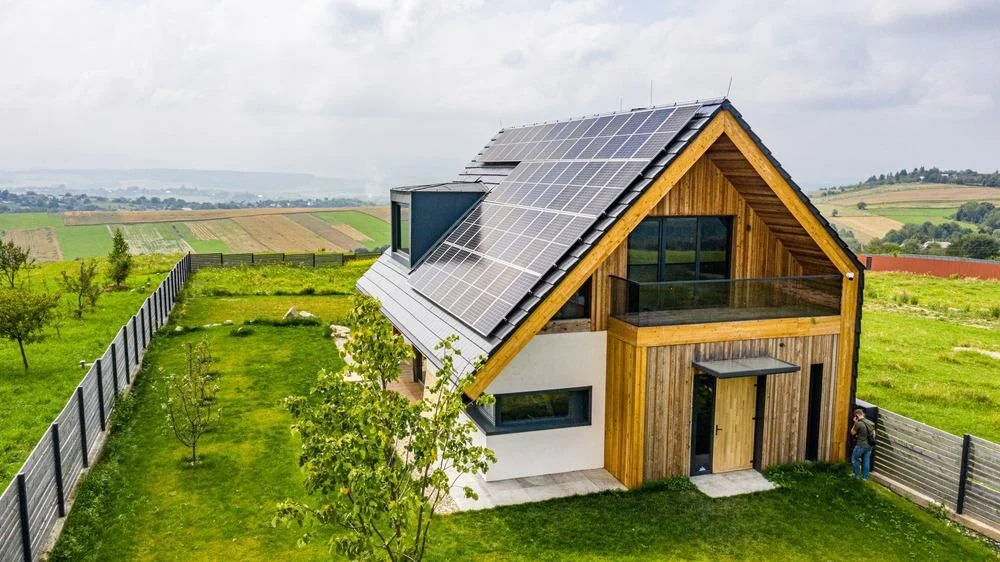
Some contractors specialize in eco-friendly construction, focusing on sustainable materials and energy-efficient designs. They integrate solar panels, rainwater harvesting systems, and green insulation into projects.
Such contractors appeal to homeowners who want long-term savings on energy bills while reducing environmental impact. Their work demonstrates how house construction can align with modern sustainability goals.
Example 4: Custom Home Builders
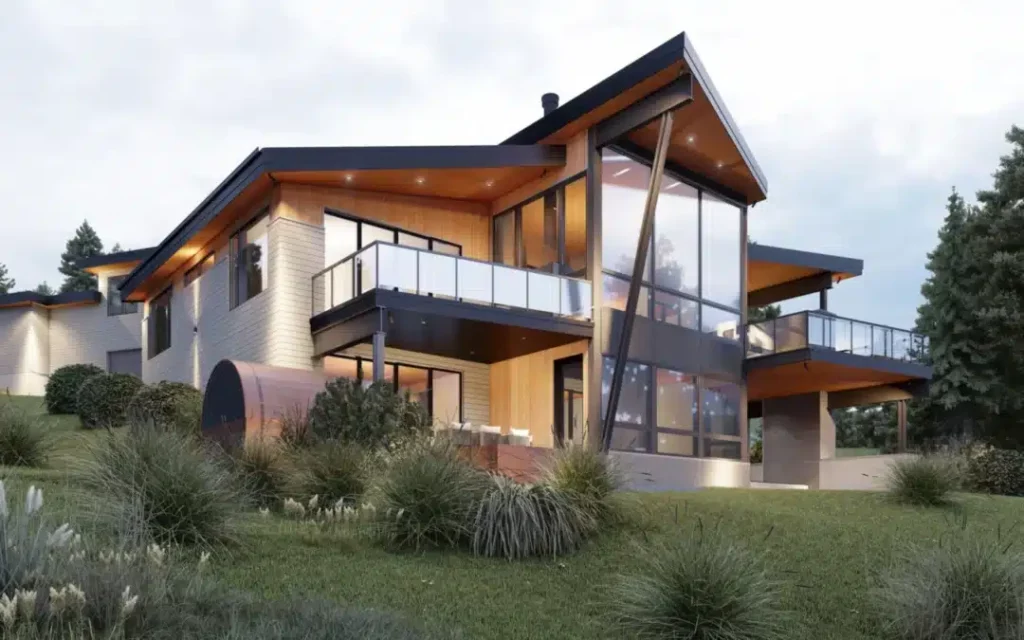
Custom contractors specialize in unique, one-of-a-kind designs. They collaborate closely with architects and clients to ensure that every feature of the house reflects the owner’s vision.
These projects demand high attention to detail and creativity. Custom contractors make sure that both structural integrity and personalized aesthetics are achieved.
Benefits of Hiring a Contractor for House Construction
Cost Efficiency
Experienced contractors prevent unnecessary expenses by sourcing affordable, quality materials and avoiding errors. This reduces the likelihood of costly repairs or rework later.
Time Management
Professional contractors follow strict timelines. They ensure that workers complete tasks on schedule, preventing delays and ensuring faster project delivery.
Quality Assurance
Contractors maintain high construction standards. They carefully monitor workmanship, ensuring the house is durable, safe, and aesthetically pleasing.
Stress Reduction for Homeowners
Perhaps one of the biggest benefits is peace of mind. Homeowners do not need to manage workers, negotiate with suppliers, or track every detail. Contractors handle it all.
Practical Use Cases of Contractors in Real Life
Solving Budget Concerns
Many homeowners fear that construction costs will spiral out of control. Contractors address this by preparing accurate estimates, managing expenses, and controlling waste.
Dealing with Legal and Safety Standards
Homeowners often struggle with permits and legal compliance. Contractors handle permits, inspections, and ensure adherence to safety codes, making the process seamless.
Managing Complex Designs
When building custom homes with intricate designs, homeowners face challenges coordinating different specialists. Contractors bring all experts under one plan and manage them efficiently.
Ensuring Long-Term Durability
Without a contractor, mistakes in foundation, roofing, or electrical work may compromise a home’s lifespan. Contractors ensure that every detail meets quality benchmarks, resulting in long-lasting homes.
Frequently Asked Questions
1. What is the difference between a contractor and a builder?
A contractor manages the entire construction project, including labor, materials, and schedules. A builder may focus on executing construction tasks, but usually does not handle overall project management.
2. How do contractors ensure safety on a construction site?
They implement safety protocols, provide workers with protective gear, and follow building codes. Contractors also schedule regular inspections to minimize risks.
3. Why should I hire a contractor for house construction instead of managing it myself?
Managing a construction project requires expertise, time, and resources. Contractors bring knowledge, skilled teams, and experience that save homeowners stress, time, and costly mistakes.